
If you care for someone with medical needs, you know how quickly things can change.
A trip to the ER. A power outage. A winter storm that closes the pharmacy. Emergencies don’t give us time to pack calmly, especially when we’re worried about keeping a loved one safe, hydrated, and comforted.
That’s where a “Go Bag” comes in.
This simple, pre-packed emergency bag can ease the panic in unpredictable moments. For caregivers, it’s not about fear — it’s about preparation. Because when you're responsible for someone else's health, comfort, and dignity, having the right items on hand makes all the difference.
💼 What Is a Go Bag?
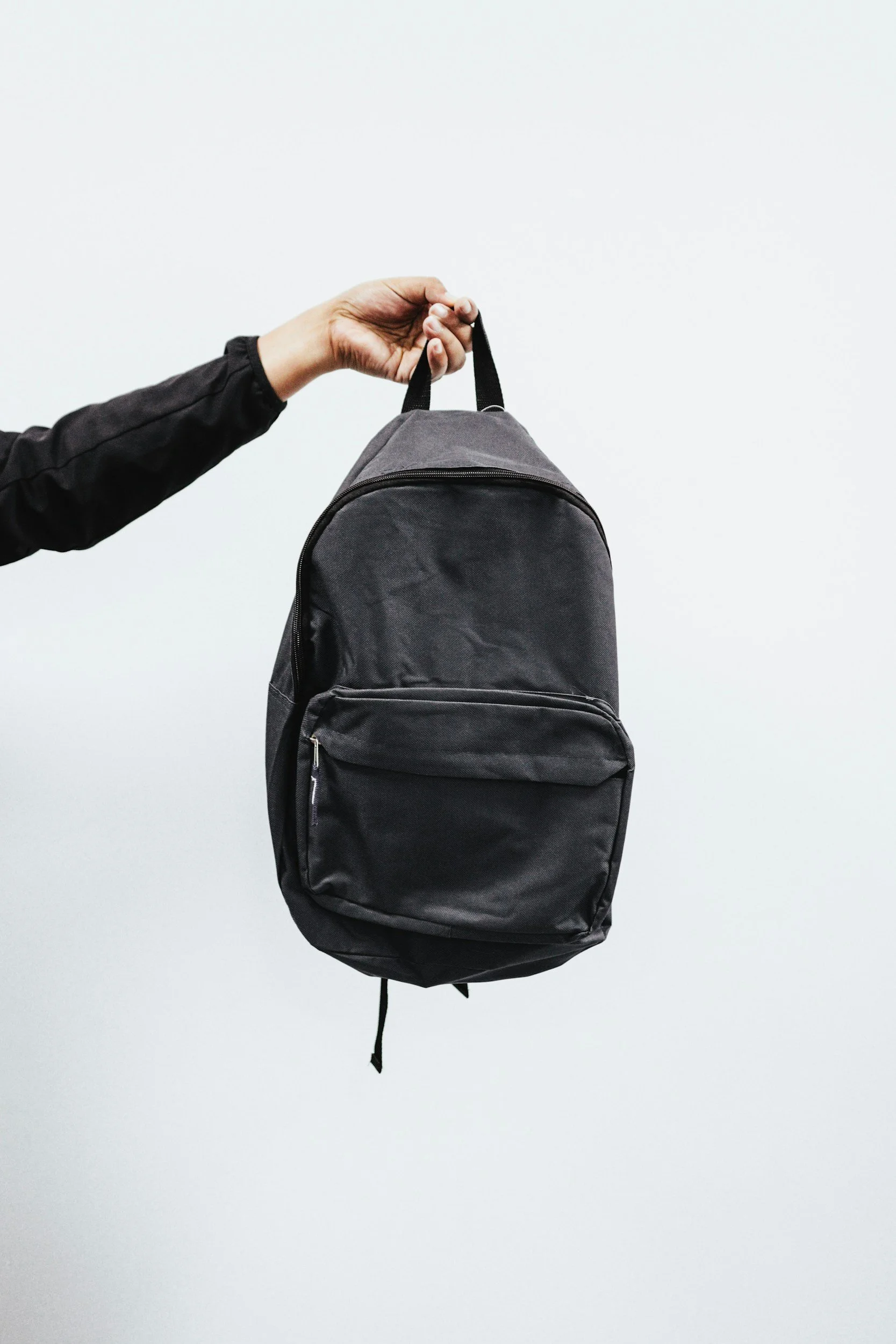
A “Go Bag” (also called a bug-out bag or emergency kit) is a grab-and-go backpack or duffel filled with 1–3 days’ worth of essentials — medications, ID, food, clothing, hygiene supplies, and more.
Most people think of these bags in the context of natural disasters. But if you’re a caregiver, you’ve probably already experienced the “micro-emergencies” that disrupt daily life:
- A hospitalization that extends past dinner
- A power outage that affects oxygen equipment
- A plumbing issue that displaces someone for the night
In those moments, a go bag isn’t just practical — it’s a lifeline.
Who Needs One?
Every family should have a basic go bag, but caregivers should think two steps ahead.
Make a bag for:
- You (the caregiver)
- The person you care for
- And, ideally, a miniature version to keep in your car
This is especially important if your loved one:
- Lives alone or has limited mobility
- Has cognitive challenges (like dementia)
- Depends on medications, oxygen, or medical devices
- Lives in a facility but may need to relocate temporarily
📝 What to Pack: The “Go Bag” Checklist for Caregivers
Here’s what to include in your loved one’s bag. (And yes — there’s a free printable checklist at the end of this post.)
🔹 Essential Survival Items (Non-Medical Emergency)
- 3 days’ worth of water (or purification tablets)
- Shelf-stable snacks (granola bars, protein shakes, crackers)
- Flashlight (with batteries or hand-crank)
- First-aid kit
- Manual can opener
- An emergency blanket or a small sleeping bag
- Whistle (for calling for help)
🔹 Health & Medical Supplies
- 3–7 day supply of all prescription medications
- Complete medication list (names, doses, schedules)
- Copies of Insurance cards and photo ID
- Medical history summary or printed EHR
- Durable medical equipment supplies if possible…not always (CPAP tubing, glucometer, hearing aid batteries)
- Medical alert bracelet or printed condition card
- Face masks and hand sanitizer
🔹 Personal Care & Comfort
- Change of clothes (including socks and underwear)
- Adult diapers or incontinence supplies (if needed)
- Toiletries: toothbrush, toothpaste, wipes, deodorant, lip balm
- Denture care kit (if applicable)
- Lotion or barrier cream
- Washcloth or small towel
- Earplugs or an eye mask (especially for hospital stays)
🔹 Mobility & Support Tools
- Copy of advance directive or power of attorney
- List of emergency contacts (printed and saved on phone) — VERY IMPORTANT
- Laminated name/contact card to keep in a pocket or ON BAG
- Copies of house key, facility code, or medication lockbox combo
🔹 Emotional Well-being
- Framed photo or small item from home
- Book or puzzle
- A calming playlist or music downloaded to a device
- Something familiar — a scarf, favorite mug, or blanket
💡 Caregiver Tips for Go Bag Success
- Label everything. Use clear bags, pouches, or folders with labels like “Medications” or “Documents.”
- Review it twice a year. Spring and fall time changes are great reminders to update meds and clothing.
- Pack light but smart. Prioritize what supports safety, mobility, and comfort, not just survival.
- Keep it accessible. Store the bag near an exit or in a caregiver’s car.
- Make a backup plan. Include notes about who to call if you’re not available.
🎁 Download: The Caregiver’s Go Bag Checklist
I’ve created a printable version of this list — with extras for people who use walkers, oxygen, or have dementia — so you don’t have to start from scratch.
👉 [Download the Free Go Bag Checklist PDF]
It’s editable, printable, and easy to share with other family members or care teams.
Final Thought: Readiness Is a Form of Care
You may never need to use your go bag. But packing one is a powerful act of love. It says, “I’m thinking ahead for both of us.” It says, “I’ve got you.”
And when the unexpected happens — because life always throws curveballs — that quiet confidence can be your best emergency response plan.